Proudly Serving Northeast Florida
Septic System or Plumbing Problem? Why Multiple Drains Are Slowing Down in Your St. Johns County Home
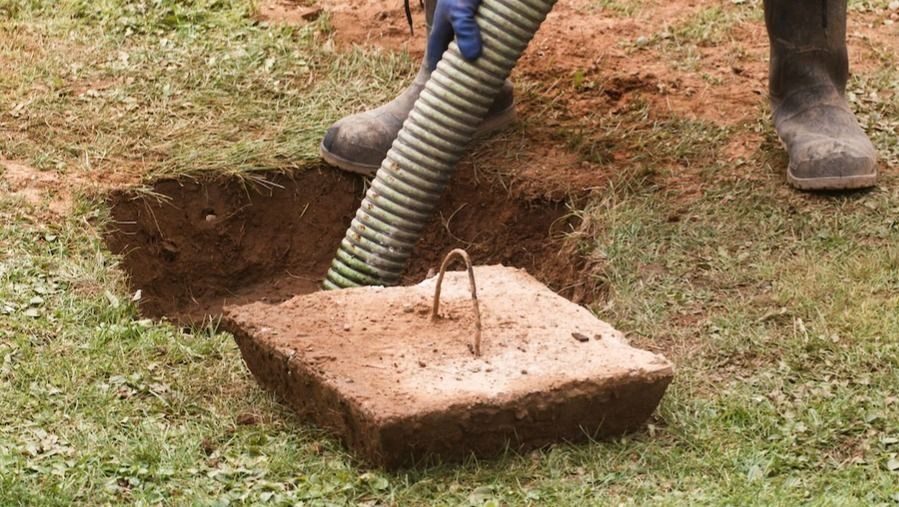
One slow sink or shower usually points to a clog near that fixture. When several drains begin slowing down at the same time, the cause may be much deeper in the plumbing system.
For St. Johns County homeowners, multiple slow drains can indicate a blocked main drain line, damaged sewer pipe, full septic tank, restricted septic outlet, or failing drain field. The symptoms can look similar, which makes it difficult to know whether to call for drain cleaning, sewer repair, septic pumping, or another service.
In this guide, we will explain why multiple drains may slow down together, how to tell whether the problem involves your plumbing or septic system, and when professional service is needed.
Why Multiple Slow Drains Usually Mean a Larger Problem
Every sink, shower, tub, toilet, and appliance drain connects to a larger network of pipes. Smaller branch lines eventually feed into the home’s main drain line. From there, wastewater travels to a municipal sewer or private septic system.
If only one fixture drains slowly, the clog is often located close to that fixture. Hair may be blocking a shower drain, or grease may be restricting a kitchen sink line.
When several fixtures are affected, the obstruction is more likely located after those lines connect. This could mean:
-
A blockage in the main drain
-
A damaged sewer or septic line
-
A full septic tank
-
A clogged septic outlet
-
A saturated or failing drain field
The location of the slowest or first affected fixture can help narrow down the source.
Signs the Problem Is More Than a Clogged Sink
Multiple slow drains are often accompanied by other warning signs.
Look for:
-
Toilets that gurgle after a sink or shower drains
-
Water rising in a tub when the toilet is flushed
-
Several fixtures draining slowly at once
-
Sewage odors inside or outside the home
-
Bubbling from drains
-
Wastewater backing up into lower fixtures
-
Floor drains holding standing water
-
Plumbing problems that return soon after drain cleaning
-
Wet or unusually green areas near the septic system
These symptoms suggest wastewater is having trouble moving through the larger drainage system.
Could the Main Drain Line Be Clogged?
A main drain clog can affect several fixtures throughout the home.
Common blockage materials include:
-
Grease and cooking oil
-
Hair and soap residue
-
Food waste
-
Paper products
-
Wipes
-
Hygiene products
-
Foreign objects
-
Heavy mineral buildup
Products labeled flushable can still contribute to clogs because they may not break apart quickly enough inside the plumbing system.
One common sign of a main line blockage is wastewater appearing in another fixture. For example, running the washing machine may cause water to rise in a nearby tub, or flushing a toilet may make another drain gurgle.
Professional drain cleaning may remove the obstruction if the pipe itself remains in good condition.
Could the Sewer or Drain Line Be Damaged?
Cleaning may restore flow temporarily, but repeated problems can indicate structural pipe damage.
Possible causes include:
-
Tree root intrusion
-
Cracked pipe walls
-
Separated joints
-
Corrosion
-
Bellied or sagging sections
-
Ground movement
-
Partial collapse
-
Poor installation
A damaged line can collect waste in the same area again and again. Roots may also grow back after they are cut unless the opening that allowed them inside is repaired.
A sewer camera inspection can help identify damage and determine whether the line needs cleaning, spot repair, trenchless service, or replacement.
Signs the Septic System May Be the Cause
Homes with private septic systems can experience whole-home drainage problems when wastewater is no longer moving through the tank and drain field properly.
Possible septic warning signs include:
-
Slow drains throughout the home
-
Toilets that flush poorly
-
Sewage odors near the tank or yard
-
Wet or soggy areas over the septic system
-
Bright green grass near the drain field
-
Gurgling fixtures
-
Wastewater backing up into low drains
-
Plumbing problems that worsen after heavy rain
-
A septic tank that has not been pumped in several years
A full tank is one possibility, but it is not the only septic problem that can cause slow drainage.
How a Full Septic Tank Affects Indoor Drains
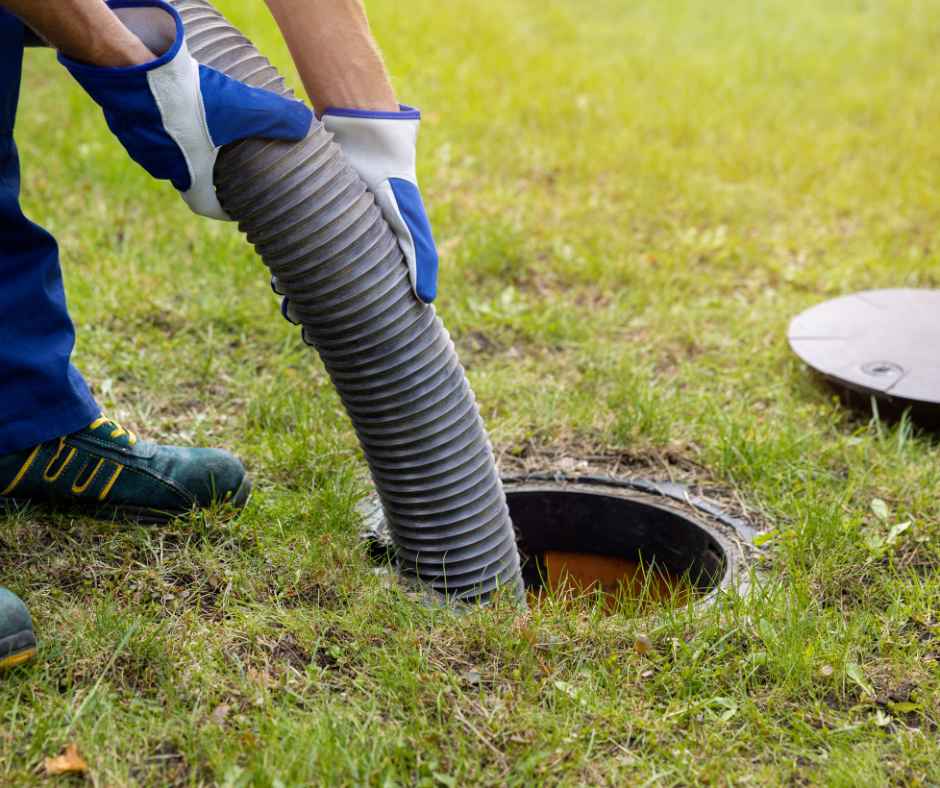
A septic tank separates wastewater into solids, liquids, and floating material. Over time, sludge accumulates at the bottom and must be removed through pumping.
As the tank fills, there is less room for wastewater to enter and move through the system. Drains may begin slowing, toilets may flush poorly, and backups can occur during periods of heavy water use.
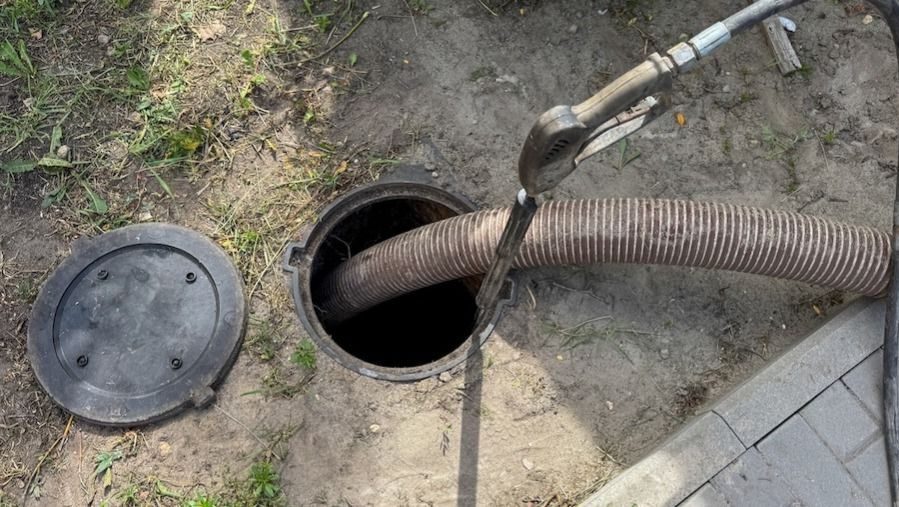
Septic pumping may restore capacity when accumulated solids are the problem. However, pumping will not fix:
-
A damaged inlet or outlet pipe
-
A clogged septic baffle
-
A collapsed line
-
A saturated drain field
-
Tree root intrusion
-
Improper system design
If drainage problems return soon after pumping, a broader septic inspection may be needed.
Could the Septic Drain Field Be Failing?
The drain field disperses treated wastewater into the surrounding soil. When it cannot absorb or distribute water properly, the entire system can begin backing up.
Drain field problems may be caused by:
-
Saturated soil
-
Heavy rainfall
-
High groundwater
-
Soil compaction
-
Driving or parking over the field
-
Excessive household water use
-
Damaged distribution components
-
System age
-
Tree roots
-
Poor original installation
A failing drain field may create wet areas, sewage odors, or unusually green grass above the system.
Pumping the septic tank may provide temporary relief by reducing the immediate volume of wastewater, but it does not restore a damaged or saturated drain field.
What to Do When Several Drains Slow Down
Reduce water use until the cause is identified.
Avoid:
-
Running the washing machine
-
Using the dishwasher
-
Taking long showers
-
Flushing toilets unnecessarily
-
Filling bathtubs
-
Using garbage disposals
-
Pouring chemical cleaners into drains
Additional water can overwhelm a blocked line or septic system and cause wastewater to back up inside the home.
Keep children and pets away from standing wastewater. Sewage may contain bacteria and other contaminants.
Schedule professional service promptly, especially if drains are backing up or sewage odors are present.
Why Chemical Drain Cleaners Are Not the Answer
Chemical cleaners are designed for certain small fixture clogs. They are unlikely to remove tree roots, repair a damaged pipe, empty a septic tank, or restore a failing drain field.
Repeated use can also create concerns for:
-
Older pipes
-
Plumbing seals
-
Fixture finishes
-
Septic bacteria
-
Technicians working on the line
Chemical products may create a temporary opening without removing the full blockage. This can delay diagnosis while the underlying problem grows worse.
How Professionals Determine Whether It Is Plumbing or Septic
The diagnostic process may include:
-
Testing several fixtures
-
Identifying where backups appear
-
Inspecting accessible plumbing
-
Checking the main drain line
-
Performing a sewer camera inspection
-
Evaluating the septic tank level
-
Inspecting septic inlet and outlet components
-
Checking for wet or saturated drain field areas
-
Reviewing pumping and service history
The pattern of the symptoms is important. A clog affecting one branch line may require drain cleaning, while whole-home slow drainage combined with yard symptoms may point toward the septic system.
When Professional Drain Cleaning May Solve the Problem
Drain cleaning may be appropriate when the issue is caused by grease, debris, wipes, hair, or another obstruction in the plumbing line.
Possible methods include:
-
Mechanical augering
-
Drain snaking
-
Root cutting
-
Hydro jetting when the pipe is suitable
Hydro jetting uses high-pressure water to remove buildup from inside the pipe. It should not be used without considering pipe age and condition, especially when older or damaged lines are involved.
After cleaning, the line should be tested to confirm that wastewater is flowing properly.
When Septic Pumping or Repair Is Needed
Septic pumping may be needed when accumulated solids have reduced tank capacity.
Other septic repairs may involve:
-
Replacing a damaged baffle
-
Clearing the outlet line
-
Repairing the pipe between the home and tank
-
Correcting distribution problems
-
Addressing drain field damage
-
Replacing failed septic components
Pumping is regular maintenance, but it should not be presented as a cure for every septic backup.
A complete evaluation can determine whether the tank is simply full or whether another part of the system has failed.
When Sewer or Drain Line Repair Is Needed
Pipe repair may be necessary when the line has:
-
Cracks
-
Root intrusion
-
Separated joints
-
Severe corrosion
-
Bellied sections
-
Repeated blockages
-
Partial collapse
-
Ongoing leaks
A spot repair may correct one isolated section. More extensive deterioration may require trenchless repair or traditional excavation.
Recurring slow drains after repeated cleaning are a strong reason to inspect the condition of the pipe rather than clearing the same blockage again.
How to Reduce the Risk of Future Drainage Problems
Homeowners can help protect their plumbing and septic system by following a few basic practices:
-
Keep wipes and hygiene products out of toilets
-
Avoid pouring grease into drains
-
Use drain screens to catch hair and debris
-
Spread laundry loads throughout the week
-
Repair leaking toilets and faucets
-
Follow a professional septic pumping schedule
-
Keep vehicles and structures off the drain field
-
Avoid planting large trees near septic components
-
Schedule service when several drains begin slowing
-
Keep records of septic pumping and sewer repairs
Early attention may prevent a slow drainage problem from becoming a sewage backup.
Get Help With Slow Drains in Your St. Johns County Home
Multiple slow drains can indicate a main line clog, damaged pipe, full septic tank, restricted outlet, or drain field problem. Because the symptoms often overlap, professional diagnosis is the best way to avoid unnecessary or incomplete repairs.
Artic Air Home Services can inspect your drains, sewer line, and septic system to identify why wastewater is moving slowly. Whether you need professional drain cleaning, septic pumping, pipe repair, or a more complete system evaluation, contact us today to schedule service.
Penguin Certified, Customer Satisfied
Schedule service with Artic Air Home Services today. Experience reliable comfort and trusted home solutions year-round.