Proudly Serving Northeast Florida
Is Your Septic System Failing in Putnam County? Key Warning Signs You Can’t Ignore
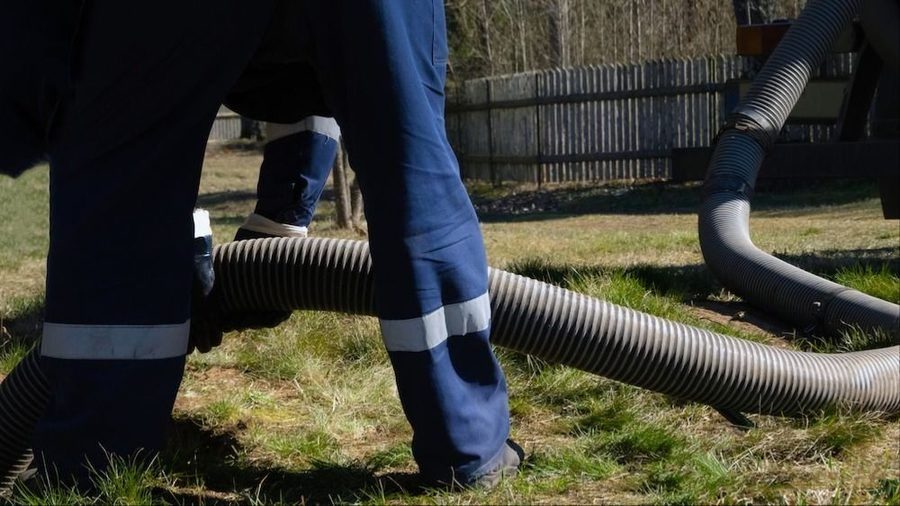
For many homeowners in Putnam County, Florida, a septic system is essential to everyday life. Unlike homes connected to municipal sewer systems, properties with septic tanks rely on underground equipment to safely collect, treat, and disperse household wastewater.
When a septic system starts having problems, the warning signs aren’t always obvious right away. Slow drains, unpleasant odors, and unusual yard conditions may signal developing issues that could eventually lead to sewage backups, property damage, or expensive repairs.
In this guide, we’ll cover the most common septic system failure signs Putnam County homeowners should recognize, what they may indicate, and how professional septic maintenance can help prevent more serious problems.
Why Septic System Problems Can Develop in Putnam County
Putnam County’s environmental conditions can challenge residential septic systems, especially during heavy rainfall. Florida’s frequent storms, saturated soil, and elevated groundwater levels in certain areas can affect how efficiently septic drain fields absorb and treat wastewater.
A septic system depends on properly functioning components and suitable soil conditions to manage household wastewater. When soil becomes saturated, the drain field may struggle to accept more water, which can slow drainage or cause backups.
Several factors can contribute to septic system problems:
-
Heavy rainfall: Extended periods of rain can temporarily reduce the soil’s ability to absorb wastewater.
-
Aging equipment: Older tanks, pipes, and drain fields may deteriorate over time.
-
Insufficient maintenance: Delayed pumping can let excessive solids build up in the septic tank.
-
Excessive water usage: Large amounts of wastewater can overwhelm a system’s treatment capacity.
-
Drain field damage: Vehicle traffic, construction, and soil compaction can interfere with wastewater absorption.
Understanding these potential causes can help homeowners recognize when their septic system needs professional attention. Early inspections may also prevent minor issues from becoming larger problems.
Slow Drains and Frequent Plumbing Backups
One of the earliest signs of a failing septic system is slow drainage throughout the home. If sinks, showers, bathtubs, and toilets begin draining more slowly than usual, the problem may involve more than an ordinary plumbing clog.
A single slow drain often indicates a localized blockage that routine plumbing service can address. However, when multiple fixtures drain slowly at the same time, it may suggest a restriction in the main sewer line or a septic system issue.
Common warning signs include:
-
Multiple slow drains: Several plumbing fixtures drain slowly.
-
Recurring toilet clogs: Toilets repeatedly back up despite attempts to clear blockages.
-
Wastewater backups: Sewage or wastewater returns through floor drains, tubs, or toilets.
-
Drainage problems after heavy rain: Plumbing performance worsens when surrounding soil becomes saturated.
Wastewater backing up into your home requires prompt attention because it can expose household members to harmful contaminants. If you experience repeated backups or widespread drainage problems, reduce water usage and schedule a professional septic system inspection.
Unpleasant Septic Odors Inside or Outside Your Home
A properly functioning septic system should not produce persistent sewage odors around your home or yard. Strong wastewater smells near plumbing fixtures, the septic tank, or the drain field may indicate a developing problem.
Septic odors can result from several conditions, including blocked plumbing vents, damaged pipes, leaking components, or wastewater that isn’t moving through the system correctly. In some cases, odors may become more noticeable after heavy rainfall or periods of increased household water usage.
Homeowners should note where and when unpleasant smells occur. Odors concentrated around one indoor fixture may have a different cause than persistent sewage smells near the outdoor septic system.
Don’t assume unpleasant odors will disappear without attention. If sewage smells continue or worsen, a professional evaluation can help identify the source and determine whether repairs are needed.
Standing Water or Unusually Green Grass Near the Drain Field
Changes in your yard can provide important clues about septic system performance. Standing water, persistently soggy soil, or unusually lush grass near the drain field may indicate that wastewater isn’t being absorbed properly.
Septic drain fields distribute treated wastewater into the surrounding soil. When the soil becomes overloaded or the drain field begins deteriorating, wastewater may accumulate near the surface.
Potential warning signs include:
-
Standing water: Puddles remain near the septic tank or drain field even when conditions are otherwise dry.
-
Soggy ground: Soil feels unusually wet even when nearby areas have dried.
-
Unusually green grass: Vegetation grows noticeably faster or greener over a particular section of the yard.
-
Persistent sewage odors: Unpleasant smells develop around areas where wastewater may be surfacing.
These symptoms don’t always indicate permanent drain field failure. Heavy rainfall, irrigation problems, and other drainage conditions can produce similar effects.
However, standing wastewater presents potential health and environmental risks. Keep children and pets away from suspicious wet areas and arrange a professional inspection to determine whether the septic system is responsible.
Gurgling Pipes and Unusual Plumbing Sounds
Gurgling noises from toilets, sinks, or drains can indicate that air isn’t moving normally through your plumbing system. These sounds can occur when wastewater hits a blockage or when plumbing venting isn’t working properly.
In homes with septic systems, recurring gurgling may also signal problems with the main sewer line, septic tank, or drain field. The sounds may become more noticeable when multiple fixtures operate at the same time.
For example, you might hear bubbling in a toilet when a nearby sink drains or notice unusual noises after running the washing machine. These symptoms can indicate that wastewater isn’t flowing as expected.
Gurgling alone doesn’t confirm septic system failure, but you shouldn’t ignore it if it’s accompanied by slow drains, backups, or sewage odors. A professional inspection can help distinguish between minor plumbing restrictions and more serious septic system issues.
What Happens When a Septic Drain Field Starts Failing?
The drain field is one of the most important components of a residential septic system. After wastewater enters the septic tank and solids settle, liquid effluent flows into the drain field, where surrounding soil provides additional treatment.
When a drain field becomes overloaded, clogged, or otherwise unable to absorb wastewater, the system may struggle to function properly. This can contribute to slow drainage, sewage backups, unpleasant odors, and wastewater surfacing in the yard.
Common causes of drain field problems include:
-
Excessive solids entering the drain field.
-
Prolonged soil saturation from rainfall or groundwater.
-
Compacted soil caused by vehicle traffic or heavy equipment.
-
Tree roots interfering with underground components.
-
Long-term deterioration of the drain field’s treatment capacity.
A full septic tank and a failing drain field aren’t necessarily the same problem. Septic tanks normally contain wastewater, and routine pumping removes accumulated solids rather than permanently emptying the system.
If the drain field can no longer absorb and treat wastewater, pumping the tank alone may not fix the underlying issue. A professional evaluation is necessary to determine whether maintenance, repairs, or more extensive system improvements are needed.
What to Do If You Notice Signs of Septic System Failure
If your Putnam County home shows signs of septic system failure, acting early can help limit additional damage. Continuing normal water usage during a serious drainage problem may increase the risk of wastewater backups or overflow.
Start by reducing unnecessary water use until the problem is evaluated. Avoid running multiple water-intensive appliances, taking unusually long showers, or repeatedly flushing toilets when drainage is already compromised.
Additional precautions include:
-
Avoid chemical drain cleaners: Harsh products may damage plumbing components and won’t resolve many underlying septic problems.
-
Stay away from standing wastewater: Keep children and pets away from areas where sewage may be surfacing.
-
Don’t open the septic tank: Septic tanks contain hazardous gases and should only be accessed by trained professionals.
-
Avoid driving over the drain field: Heavy vehicles can damage underground components and compact surrounding soil.
-
Schedule professional service: A qualified septic professional can inspect the system and recommend appropriate repairs.
If sewage backs up into your home, avoid contact with contaminated water and arrange prompt professional assistance. Extensive contamination may also require specialized cleaning and sanitation.
Prevent Septic Problems With Routine Maintenance
Routine septic maintenance is one of the most effective ways to reduce the likelihood of unexpected system problems. Regular inspections and proper pumping help prevent excessive solids from building up and entering the drain field.
Pumping frequency depends on household occupancy, tank capacity, wastewater usage, and system condition. Florida homeowners should follow applicable inspection and maintenance requirements and consult a qualified septic professional about an appropriate schedule.
Simple household habits can also support septic performance:
-
Use water efficiently and repair leaking fixtures.
-
Spread laundry loads throughout the week.
-
Avoid flushing wipes, hygiene products, and other nonflushable materials.
-
Keep grease, oils, and unnecessary chemicals out of household drains.
-
Protect the drain field from vehicles, construction, and excessive landscaping disturbances.
Homeowners should also maintain records of septic inspections, pumping, and repairs. These records can help technicians understand the system’s maintenance history and identify recurring concerns.
Get Professional Septic Help in Putnam County With Artic Air Home Services
Recognizing septic system warning signs can help Putnam County homeowners address problems before they lead to extensive property damage or wastewater contamination. Slow drains, sewage odors, standing water, and recurring backups all deserve attention, particularly when multiple symptoms occur together.
Although some plumbing problems have simple explanations, persistent symptoms may point to issues with the septic tank, underground piping, or drain field. A professional evaluation can help determine the cause and identify the best solution.
At Artic Air Home Services, we understand how important a dependable septic system is for Florida homeowners. Our team can help identify septic concerns, evaluate system performance, and recommend services to address developing problems.
Whether you’re dealing with recurring drainage issues, unusual septic odors, or concerns about your drain field, early action can help protect your home and property. Contact Artic Air Home Services today to schedule professional septic service in Putnam County and get the help you need.
Penguin certified. Customer satisfied.
Penguin Certified, Customer Satisfied
Schedule service with Artic Air Home Services today. Experience reliable comfort and trusted home solutions year-round.