Proudly Serving Northeast Florida
What to Expect During a Professional Septic Inspection in St. Johns County
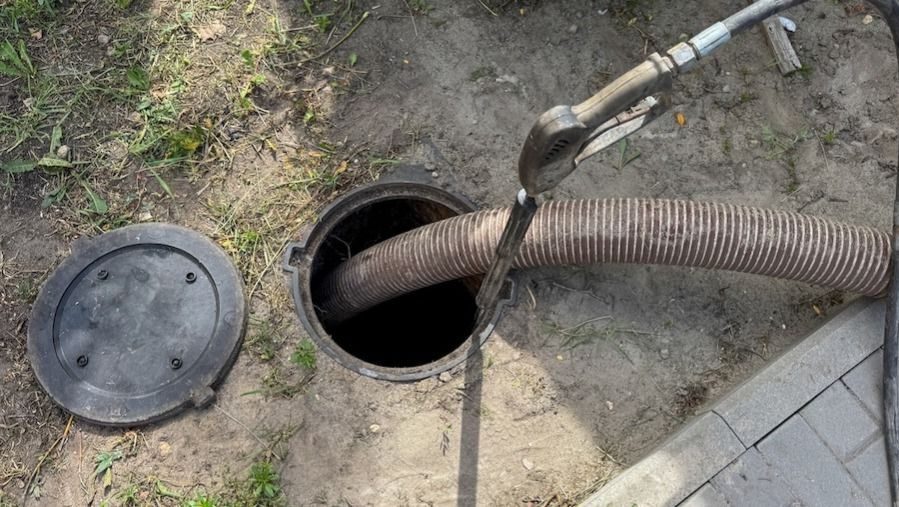
A septic system can operate quietly for years, which makes it easy to forget how much is happening underground. When drainage slows, odors appear, or maintenance is overdue, a professional septic inspection can help determine whether the system is operating normally or showing signs of a developing problem.
In this guide, you will learn what happens during a professional septic inspection in St. Johns County, which parts of the system may be evaluated, and what homeowners should expect after the appointment. An inspection can identify visible damage, blockages, abnormal wastewater conditions, and drain-field concerns before they turn into a larger plumbing problem.
What Happens During a Professional Septic Inspection?
A professional septic inspection evaluates the accessible portions of the system for signs of damage, leakage, blockage, poor drainage, and other operating concerns. The technician may inspect the tank, visible piping, wastewater levels, lids, and surrounding drain-field area before explaining any maintenance or repair recommendations.
The exact inspection can vary based on:
-
System design
-
Tank accessibility
-
Property layout
-
Reason for the inspection
-
Recent septic problems
-
Previous maintenance
-
Whether pumping or additional services are scheduled
The goal is to understand the condition of the system and identify anything that may require attention.
How Should You Prepare for a Septic Inspection?
A little preparation can help the technician understand the system more quickly.
Before the appointment, gather any information you have about:
-
The location of the septic tank
-
The approximate age of the system
-
Previous pumping dates
-
Past repairs
-
Recurring drain problems
-
Recent sewage odors
-
Areas of the yard that stay wet
-
Additions or renovations that may have affected the system
-
Available septic permits or property records
Make sure the technician can reach the tank and drain-field area. Move vehicles, lawn equipment, storage items, or other obstacles when necessary.
Avoid hiding recent symptoms. Tell the technician if toilets have been gurgling, multiple drains have been slow, or wastewater has backed up. These details can help guide the inspection.
You should also mention any major change in household use, such as additional occupants, a recently installed garbage disposal, or unusually heavy water use.
What Parts of the Septic System Will Be Checked?
A conventional septic system generally includes the household drain line, septic tank, outlet components, and drain field. Depending on the system design and accessibility, a professional inspection may evaluate several of these areas.
The technician may look at:
-
Septic tank condition
-
Accessible lids and risers
-
Inlet and outlet areas
-
Visible piping
-
Wastewater level inside the tank
-
Signs of blockage
-
Evidence of leaks
-
Drain-field conditions
-
Surface drainage around the system
-
Signs of damaged components
Not every component is visible or accessible during every appointment. Older systems may have buried lids, while other properties may use pumps, filters, alarms, or alternative treatment components.
The technician should explain what was accessible and whether additional evaluation is recommended.
What Does the Technician Look for at the Septic Tank?
The septic tank is one of the main areas of focus because it receives wastewater directly from the home.
During the inspection, the technician may look for:
-
Damaged or deteriorated lids
-
Cracks or visible structural concerns
-
Unusual wastewater levels
-
Signs of leakage
-
Blocked inlet or outlet areas
-
Evidence of backup
-
Damaged baffles or other accessible components
-
Corrosion
-
Signs that pumping may be needed
An unusually high liquid level can suggest that wastewater is not leaving the tank properly. A low level may point to leakage or another concern, depending on system conditions.
The technician may also review maintenance history. A tank that has not been pumped for an extended period may contain more accumulated solids, but pumping frequency should be based on system size, household use, and professional recommendations rather than one universal schedule.
Septic tanks can contain dangerous gases and unstable components. Homeowners should never enter a septic tank or attempt to inspect the inside themselves.
How Is the Drain Field Evaluated?
The drain field allows wastewater from the septic tank to move into the surrounding soil for further treatment.
A visual evaluation may include checking the area for:
-
Standing water
-
Saturated soil
-
Sewage odors
-
Unusually lush grass
-
Soft or muddy ground
-
Surface wastewater
-
Erosion
-
Vehicle damage
-
Drainage from nearby landscaping
-
Signs that the field is not accepting wastewater properly
One green patch of grass does not automatically mean the drain field has failed. Yard conditions can vary because of shade, irrigation, soil differences, and landscaping.
The pattern becomes more concerning when unusually wet or green areas appear along with slow drains, sewage odors, or backups.
Heavy rainfall can also affect drain-field performance temporarily when surrounding soil becomes saturated. Northeast Florida homeowners should pay attention when septic symptoms appear or worsen after extended wet weather.
Will the Technician Check How Wastewater Moves Through the System?
The inspection may include observing how the household plumbing and septic system respond when water is used.
The technician may ask about or observe:
-
Slow drainage
-
Toilets that flush poorly
-
Gurgling fixtures
-
Multiple drains backing up
-
Wastewater movement into the tank
-
Abnormal levels inside the system
-
Signs of restricted flow
The pattern of symptoms matters.
One slow sink may have a blockage in the fixture drain. Several slow drains throughout the house may indicate a problem deeper in the plumbing or septic system.
A gurgling toilet when another fixture drains can suggest that wastewater or air is not moving normally through the system.
These symptoms do not automatically prove that the septic tank is full. A clogged pipe, damaged sewer connection, blocked outlet, or drain-field problem may create similar conditions.
Does a Septic Inspection Automatically Include Pumping?
No. A septic inspection and septic tank pumping are related services, but they are not necessarily the same appointment.
An inspection evaluates the condition and operation of the system. Pumping removes accumulated liquid and solids from the septic tank.
A technician may recommend pumping when:
-
The tank contains excessive accumulated solids
-
Maintenance is overdue
-
System conditions make pumping appropriate
-
Additional inspection requires the tank to be emptied
-
A repair cannot be completed until the tank is serviced
Ask what is included when you schedule your appointment. If you specifically want the tank pumped, confirm that service in advance.
Pumping can be an important part of septic maintenance, but it does not repair a failing drain field, damaged tank, clogged pipe, or broken component.
What Problems Can a Septic Inspection Identify?
A professional inspection may reveal a wide range of conditions, from routine maintenance needs to more significant system problems.
Potential findings include:
-
Excessive solids in the tank
-
A clogged inlet or outlet
-
Damaged lids
-
Visible cracks
-
Leaking components
-
Restricted wastewater flow
-
Abnormal tank levels
-
Drain-field saturation
-
Surface wastewater
-
Damaged piping
-
Signs of root intrusion
-
Poor drainage around the system
-
Components that need repair or replacement
Some concerns may be relatively simple to address. Others may require additional testing or excavation before the full extent of the problem is known.
Homeowners should ask the technician to separate urgent repairs from routine maintenance recommendations.
For example, a damaged tank lid may require prompt attention because it creates a safety concern, while a maintenance recommendation may be something that can be scheduled normally.
Why Do St. Johns County Septic Systems Need Regular Attention?
Septic-system performance depends partly on local conditions. St. Johns County properties can experience sandy soils, periods of heavy rainfall, high groundwater in some locations, and coastal moisture conditions.
These factors can affect how wastewater moves through the soil.
Heavy rain may temporarily saturate the drain field and reduce its ability to accept additional wastewater. During these periods, homeowners may notice slower drainage or other symptoms.
Property drainage also matters. Whenever possible, roof runoff, irrigation, and surface water should not be directed toward the drain field.
Regular attention can help homeowners identify problems before they become emergencies. That does not mean every system needs constant service. It means homeowners should respond when symptoms change and follow an appropriate maintenance schedule for their specific system.
What Happens After the Septic Inspection Is Complete?
After the inspection, the technician should explain what was observed and what, if anything, needs attention.
Ask for clarification about:
-
Overall system condition
-
Whether pumping is recommended
-
Any damaged components
-
Drain-field concerns
-
Blockages or restricted flow
-
Immediate repair priorities
-
Maintenance recommendations
-
Additional testing that may be useful
-
When the system should be checked again
If repairs are recommended, ask why they are necessary and which inspection findings support the recommendation.
You may also want written documentation, particularly when the inspection is related to a property purchase, recurring septic problems, or previous repair work.
Keep inspection reports, pumping records, receipts, and repair documentation together. This information can help future technicians understand the system’s history.
Is a Professional Service Inspection the Same as a County Septic Inspection?
Not necessarily. A routine septic inspection performed for maintenance or troubleshooting is different from a regulatory inspection associated with certain permits, installations, repairs, or other official requirements.
Florida regulates onsite sewage treatment and disposal systems, and permitting-related inspections may involve specific state and local procedures.
If you need an inspection for:
-
A new septic installation
-
A system modification
-
A permitted repair
-
Property development
-
Another government requirement
confirm which inspection or documentation is required before scheduling.
A routine service inspection from a septic professional is intended to evaluate the system’s condition and help diagnose problems. It should not automatically be assumed to satisfy a permit or regulatory requirement.
Know What Is Happening Below Your St. Johns County Home
A professional septic inspection can provide valuable information about a system that homeowners rarely see. The technician may evaluate the tank, accessible components, wastewater levels, flow, and drain-field conditions while looking for signs of blockages, leaks, damage, or maintenance needs.
Pay attention to multiple slow drains, sewage odors, gurgling toilets, backups, standing water, or unusually wet areas around the septic system. These symptoms do not always mean the same thing, so inspection is important before deciding what repair is needed.
Artic Air Home Services helps St. Johns County homeowners inspect, maintain, pump, and repair septic systems based on the condition of the property. When you want to understand how your septic system is performing or investigate a developing problem, contact us today to schedule septic service.
Recent Posts
Is Your Septic System Failing in Putnam County? Key Warning Signs You Can’t Ignore
Flickering Lights in Your St. Johns County Home? Why an Electrical Panel Upgrade Might Be Urgent
Septic System or Plumbing Problem? Why Multiple Drains Are Slowing Down in Your St. Johns County Home
Get in Touch
Penguin Certified, Customer Satisfied
Schedule service with Artic Air Home Services today. Experience reliable comfort and trusted home solutions year-round.