Proudly Serving Northeast Florida
Is a Tankless Water Heater Worth the Investment in St. Johns County?
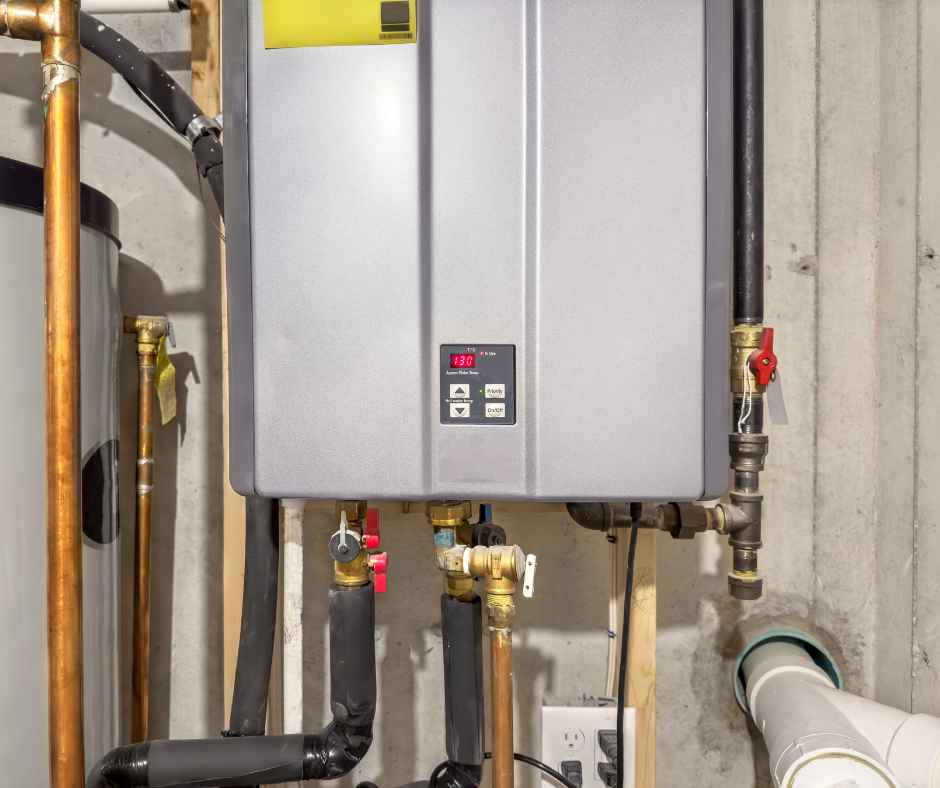
A tankless water heater can be worth the investment in St. Johns County if your home needs reliable hot water, better space efficiency, lower standby energy loss, and a longer-lasting system with proper maintenance. The upfront cost is higher than that of a traditional tank water heater, but the long-term benefits can make sense for busy households, growing families, and homeowners planning to stay in the home.
Hot water is one of the most used comforts in your home. Showers, laundry, dishes, cleaning, and daily routines all depend on a water heater that can keep up. If your current tank water heater is aging, leaking, running out of hot water, or taking too long to recover, you may be wondering whether a tankless water heater is a smart upgrade.
In this guide, we will explain how tankless water heaters work, what they cost, what benefits they offer, and when St. Johns County homeowners should call Artic Air Home Services for help deciding whether a tankless water heater is worth the investment.
What Is a Tankless Water Heater?
A tankless water heater heats water only when you need it. Instead of storing hot water in a large tank, the system activates when a hot-water fixture is turned on. Cold water enters the unit, is heated, and flows to the faucet, shower, appliance, or tub.
This is why tankless systems are often called on-demand water heaters.
A traditional tank water heater stores a set amount of hot water. Once that supply is used, the tank needs time to refill and reheat. A tankless unit does not store hot water, so it can provide a more continuous supply when the system is sized and installed correctly.
Why St. Johns County Homeowners Consider Tankless
Homes across St. Johns County vary widely. Some are older coastal homes, while others are newer builds in growing communities. Many households are also dealing with higher comfort expectations, larger families, guest visits, home offices, upgraded bathrooms, and outdoor living spaces.
Tankless water heaters appeal to homeowners who want:
- Hot water on demand
- Better use of space
- Less standby heat loss
- Improved efficiency potential
- A longer equipment lifespan with maintenance
- Fewer cold showers during back-to-back use
- A modern upgrade during remodeling
- A replacement option for an aging tank water heater
Tankless water heaters are not automatically right for every home. The best choice depends on your hot water demand, fuel source, plumbing layout, water quality, installation requirements, and budget.
The Biggest Benefits of Going Tankless
A tankless water heater can offer several advantages over a traditional tank system. The value depends on how your household uses hot water and how long you plan to stay in the home.
More Reliable Hot Water
One of the biggest reasons homeowners choose tankless water heaters is their ability to support steady hot water use. If your current tank runs out during showers, laundry, or busy mornings, a tankless system may be a strong option.
Tankless can help households that:
- Have multiple people showering in a row
- Host family or guests often
- Use large tubs
- Run laundry and showers close together
- Need better hot water recovery
- Have outgrown the current tank size
The important detail is sizing. A tankless water heater must be matched to your home’s demand. If the system is too small, performance may suffer when multiple fixtures run at once.
Better Space Efficiency
Traditional tank water heaters take up floor space in garages, closets, utility rooms, or mechanical areas. Tankless units are smaller and often wall-mounted, which can free up valuable space.
This can be helpful if:
- Your water heater is in a tight closet
- You want more storage room
- You are remodeling a laundry or utility area
- Your garage layout feels crowded
- You want a cleaner mechanical setup
- The old tank location is inconvenient
For many homeowners, space savings are a major benefit, especially in homes where every square foot matters.
Lower Standby Energy Loss
Tank water heaters keep stored water hot all day, even when no one is using it. That means the system may cycle on and off just to maintain temperature.
Tankless water heaters heat water only when there is demand. This can reduce standby energy loss and may improve efficiency depending on the system, installation, fuel source, and household usage.
Potential efficiency benefits include:
- Less energy is used to store hot water
- More efficient operation during demand
- Lower waste when hot water use is irregular
- Better performance when properly sized
- Reduced need to keep reheating a full tank
Actual savings vary by home. The biggest value often comes from combining efficiency, comfort, space savings, and long-term reliability.
Longer System Life With Proper Maintenance
Tankless water heaters can last longer than many traditional tank systems when properly maintained. They also often have serviceable components, which can help extend useful life.
However, tankless systems are not maintenance-free. St. Johns County homeowners should pay attention to water quality, mineral buildup, and annual service needs.
Tankless maintenance may include:
- Descaling the system
- Cleaning inlet filters
- Checking venting
- Inspecting water and gas connections
- Reviewing error codes
- Testing performance
- Checking for mineral buildup
- Flushing the unit as recommended
Skipping maintenance can reduce efficiency and shorten system life, especially in homes with hard water.
The Costs of a Tankless Water Heater
The main drawback of tankless is the upfront cost. A tankless water heater usually costs more to purchase and install than a traditional tank system. The total depends on the home and the type of system selected.
Costs may include:
- Tankless unit purchase
- Professional installation
- Old water heater removal
- Plumbing adjustments
- Gas line upgrades, if needed
- Electrical work, if needed
- Venting upgrades for gas units
- Permits, when required
- Water treatment or scale control
- Ongoing maintenance
A direct replacement is usually simpler than a full conversion. If your home needs new venting, gas capacity changes, or electrical upgrades, the project cost can increase.
Cost vs. Benefit: When Tankless Is Worth It
Tankless water heaters are often worth the investment when they solve a real comfort problem or support long-term home plans.
Tankless may be worth it if:
- Your current water heater is near the end of its life
- Your home often runs out of hot water
- You plan to stay in the home for several years
- You want to reduce standby energy loss
- You need more space
- You are remodeling a bathroom, kitchen, or laundry area
- You want a modern home upgrade
- Your home can support the installation requirements
- You are willing to keep up with maintenance
Tankless may not be the best choice if:
- Lowest upfront cost is your top priority
- Your hot water use is low
- Installation upgrades would be extensive
- You do not want regular maintenance
- Your home’s fuel or electrical setup is not practical
- Multiple fixtures run at once and the unit is not sized properly
The best decision comes from comparing upfront cost, expected usage, comfort needs, maintenance, and long-term plans.
Tankless vs. Traditional Tank Water Heater
Both systems can work well. The right choice depends on your home.
A traditional tank water heater may be better if you want:
- Lower initial cost
- A familiar system style
- Simpler replacement
- Stored hot water
- Less installation complexity
A tankless water heater may be better if you want:
- Hot water on demand
- Space savings
- Better efficiency potential
- Longer system life with maintenance
- Less standby heat loss
- A modern upgrade
Some homeowners choose tankless for comfort. Others choose it for space, efficiency, or long-term value. A professional inspection can help determine which option best fits your home.
Why Water Quality Matters in St. Johns County
Water quality can affect any water heater, but it matters even more with tankless systems. Minerals can build up inside the unit and reduce performance over time. This is especially important in areas where homeowners notice scale, spots on fixtures, or hard water symptoms.
Hard water can cause:
- Scale buildup
- Reduced water flow
- Inconsistent temperature
- Error codes
- Longer heating times
- More maintenance needs
- Shorter equipment life
If you are considering a tankless system, ask about water treatment, descaling frequency, and maintenance requirements. Protecting the system from mineral buildup can help preserve performance and value.
Questions to Ask Before Installing Tankless
Before choosing a tankless water heater, it helps to review your home’s actual needs.
Ask:
- How many people live in the home?
- How many showers may run at the same time?
- Do you use a soaking tub?
- Do laundry and showers happen at the same time?
- Is your current water heater gas or electric?
- Does your home have enough gas or electrical capacity?
- Where would the tankless unit be installed?
- Will venting need to change?
- Is hard water a concern?
- How long do you plan to stay in the home?
- Is comfort or lowest upfront cost more important?
These answers help determine whether a tankless water heater is a practical investment or a traditional replacement makes more sense.
Why Professional Sizing and Installation Matter
Tankless water heater performance depends heavily on proper sizing and installation. A system that is too small may struggle when multiple fixtures run at once. A system installed without proper venting, fuel supply, electrical setup, or maintenance access may cause problems later.
Professional installation helps ensure:
- Proper unit sizing
- Safe water and power connections
- Correct venting for gas systems
- Adequate flow rate
- Proper temperature rise
- Code-compliant installation
- Reliable long-term performance
- Clear maintenance access
Artic Air Home Services can inspect your current water heater, review your home’s hot water demand, and explain whether a tankless water heater is the best fit.
Call Artic Air Home Services About a Tankless Water Heater
Call Artic Air Home Services if your St. Johns County home runs out of hot water, has an aging or leaking water heater, needs more space, or is ready for a more efficient hot water solution. You should also call if you are remodeling, adding bathrooms, hosting guests often, or comparing tankless vs. traditional replacement options.
A tankless water heater can be worth the investment when it matches your household’s needs, water quality, budget, and long-term plans. For professional water heater service, tankless installation guidance, and honest cost-benefit advice, contact Artic Air Home Services today. Our team can help you choose the right hot water system for your St. Johns County home.
Penguin Certified, Customer Satisfied
Schedule service with Artic Air Home Services today. Experience reliable comfort and trusted home solutions year-round.