Proudly Serving Northeast Florida
Flickering Lights in Your St. Johns County Home? Why an Electrical Panel Upgrade Might Be Urgent
One flickering light might be nothing more than a loose bulb. When lights repeatedly flicker throughout your St. Johns County home, dim whenever a major appliance turns on, or behave differently without an obvious explanation, the electrical system deserves a closer look.
Flickering lights are a symptom, not a diagnosis. The cause could be a fixture, circuit, connection, electrical service issue, or a problem involving the electrical panel. In some cases, an older or inadequate panel may no longer match the home’s electrical demands.
In this guide, we’ll explain why lights flicker, what warning signs may point to a larger electrical problem, when to have an electrical panel inspected, and when upgrading the panel might be the right solution.
What Causes Lights to Flicker in a House?
Lights can flicker for several reasons, ranging from simple bulb problems to issues affecting the home’s electrical system.
Possible causes include:
-
A loose or failing light bulb
-
Problems with a light fixture
-
A loose electrical connection
-
An overloaded or problematic circuit
-
A large appliance starting
-
Breaker or electrical panel problems
-
Issues with the home’s electrical service
-
Wiring that needs professional attention
The location of the flickering can provide an important clue.
If one bulb flickers while every other light operates normally, the issue may be isolated to that bulb or fixture. If lights in multiple rooms flicker at the same time, particularly when appliances turn on, the problem may extend beyond a single fixture.
Have a professional evaluate repeated or widespread flickering rather than treating it as a normal quirk of the home.
When Are Flickering Lights an Electrical Warning Sign?
Flickering becomes more concerning when it is frequent, affects several parts of the house, or occurs alongside other electrical symptoms.
Schedule an electrical evaluation if you notice:
-
Lights flickering throughout multiple rooms
-
Significant dimming when appliances operate
-
Flickering that becomes more frequent
-
Breakers repeatedly tripping
-
Buzzing or crackling sounds
-
Burning or unusual electrical odors
-
Warm or discolored outlets or switches
-
Heat around the electrical panel
-
Visible signs of electrical damage
The combination of symptoms matters.
A single flickering lamp is very different from several rooms dimming while the electrical panel buzzes. The second situation requires much more immediate attention.
If you see smoke, active sparking, or signs of an electrical fire, treat it as an emergency rather than trying to troubleshoot it yourself.
Can an Old Electrical Panel Cause Flickering Lights?
Yes, electrical panel problems can contribute to flickering or dimming lights, but flickering alone does not prove the panel needs replacement.
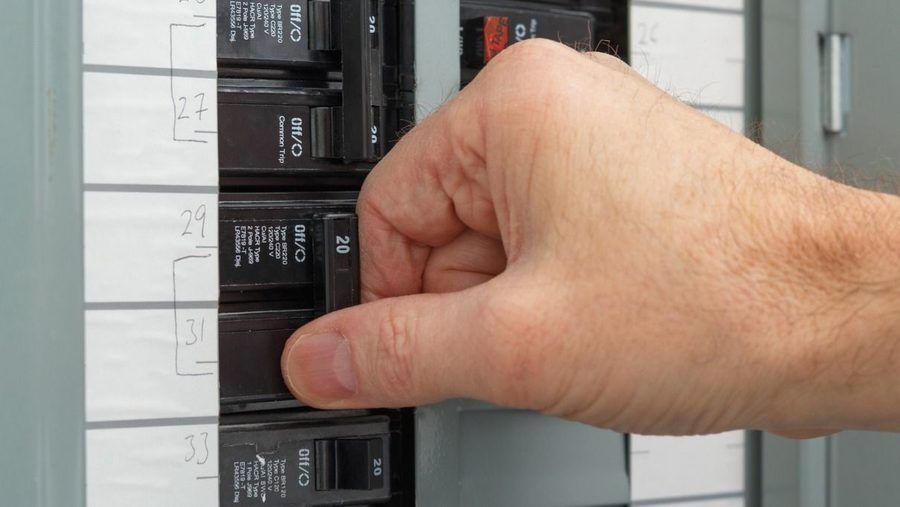
The electrical panel distributes power among the circuits throughout your home. Breakers, connections, and other components inside the panel must function properly for the power to distribute safely and reliably.
Potential panel-related concerns can include:
-
Loose or deteriorated connections
-
Damaged breakers
-
Corrosion or moisture damage
-
Heat-related deterioration
-
Physical damage
-
Insufficient capacity for household electrical demand
An electrician can determine whether the flickering starts at the panel or elsewhere in the electrical system.
This distinction matters because replacing a panel won’t fix a flickering light caused by a bad fixture or another unrelated problem.
What Are the Signs Your Electrical Panel Needs Attention?
Your lights are only one potential indicator of electrical trouble.
Homeowners should also watch the panel itself and how the electrical system behaves during everyday use.
Warning signs can include:
-
Frequently tripped breakers
-
Breakers that will not remain reset
-
Buzzing or crackling from the panel
-
Burning odors
-
Visible scorching or discoloration
-
Unusual warmth around the panel
-
Corrosion or moisture
-
Damaged panel components
-
Persistent flickering or dimming
-
Electrical problems when multiple appliances operate
Do not remove the panel cover or attempt to inspect internal wiring yourself. Electrical panels contain energized components that can present serious shock and arc hazards.
If you suspect a panel problem, leave internal inspection to a qualified electrician.
Why Can Older Homes Struggle With Today’s Electrical Demand?
Household electrical needs have changed considerably.
Homes today may power central HVAC equipment, kitchen appliances, computers, entertainment systems, smart devices, pool equipment, workshops, and other electrical loads at the same time. Some homeowners also add equipment that creates substantial new demand, such as EV chargers.
Common modern electrical loads can include:
-
Heating and cooling systems
-
Electric water heaters
-
Ovens and ranges
-
Clothes dryers
-
Dishwashers
-
Home offices
-
Garage or workshop equipment
-
Pool and spa equipment
-
EV charging
-
Additional refrigerators or freezers
An older electrical panel isn’t automatically unsafe just because of its age. What matters is its condition, design, capacity, and ability to support the home’s current electrical needs.
This also applies to renovated homes. A house may have gained new appliances, rooms, or electrical equipment over the years without the original electrical infrastructure being modernized to match.
When Is an Electrical Panel Upgrade Urgent?
An electrical panel upgrade becomes more urgent when an electrician identifies damaged, unsafe, deteriorated, or inadequate equipment.
Certain symptoms should prompt homeowners to seek professional attention quickly, including:
-
Burning odors near the panel
-
Visible scorching
-
Active sparking
-
Significant heat
-
Repeated breaker trips
-
Crackling or buzzing
-
Visible panel damage
-
Rapidly worsening electrical problems
Smoke or fire requires emergency action. Get to a safe location and contact emergency services rather than attempting electrical repairs yourself.
Other symptoms may not represent an immediate emergency but still deserve prompt evaluation.
For example, persistent whole-home flickering without smoke or burning odors may not require the same response as an active electrical fire, but it shouldn’t be ignored for weeks or months.
An electrician can determine the severity of the problem and whether repair, an electrical panel upgrade, or another solution is appropriate.
What Happens During an Electrical Panel Inspection?
An electrical panel inspection helps determine whether the panel is actually contributing to the symptoms you are experiencing.
Depending on the situation, an electrician may evaluate:
-
Overall panel condition
-
Breakers
-
Electrical connections
-
Signs of overheating
-
Corrosion or moisture
-
Available electrical capacity
-
Existing electrical demand
-
Visible wiring concerns
-
Symptoms occurring elsewhere in the home
The electrician may also need to investigate beyond the panel.
If the lights only flicker on one circuit, for example, the problem may be located elsewhere along that circuit. Widespread flickering may require a broader look at the electrical system and service.
The goal is to identify the cause before recommending the solution.
Electrical Panel Repair vs. Upgrade: Which Do You Need?
Not every electrical panel problem requires complete replacement.
A repair may be appropriate when the problem is limited to a serviceable component or connection and the existing panel otherwise suits the home.
An upgrade or replacement may make more sense when:
-
The panel is damaged or deteriorated.
-
The equipment has significant safety concerns.
-
Additional electrical capacity is needed.
-
The existing configuration cannot support planned electrical additions.
-
Replacement is more appropriate than continued repairs.
-
An electrician identifies conditions that make the existing equipment unsuitable.
Homeowners considering major electrical additions should also have panel capacity evaluated before installation.
Adding an EV charger, major appliance, or other high-demand equipment can change what the electrical system needs to support.
What Are the Benefits of Upgrading an Electrical Panel?
When an upgrade is actually needed, a new electrical panel can provide a better foundation for the home’s current and future electrical needs.
Depending on the reason for replacement, potential benefits include:
-
Addressing deteriorated or damaged equipment
-
Providing appropriate capacity for household demand
-
Supporting certain future electrical additions
-
Replacing problematic panel components
-
Improving the reliability of power distribution
-
Creating room for appropriately designed new circuits
An electrical panel upgrade should not be sold as a universal fix for high electricity bills or every electrical problem.
Its purpose is to provide electrical distribution equipment appropriate for the home’s system and demand.
A professional assessment can determine whether upgrading the panel would meaningfully address your specific concerns.
What Should You Do if Your Lights Start Flickering?
Start by figuring out how widespread the problem is.
Ask yourself:
-
Is it one bulb or several?
-
Does flickering affect one room or the entire house?
-
Does it happen when the AC or another appliance starts?
-
Are breakers tripping?
-
Is there any buzzing or crackling?
-
Do you smell anything unusual?
-
Are outlets, switches, or the panel unusually warm?
-
Is the problem becoming more frequent?
If the issue is limited to one replaceable bulb, checking that bulb may be reasonable. Beyond simple observations, avoid DIY electrical troubleshooting if you suspect wiring, circuit, or panel problems.
Do not open the electrical panel, tighten internal connections, replace breakers, or attempt wiring repairs without the appropriate electrical training.
Electricity can cause shock, burns, fire, and other serious hazards.
How Can You Tell if Your Home Has Outgrown Its Electrical Panel?
A home’s electrical needs can change even when the panel itself has not.
Consider having capacity evaluated if you are planning to add:
-
An EV charger
-
New HVAC equipment
-
Major kitchen appliances
-
Pool or spa equipment
-
Workshop equipment
-
A home addition
-
Other significant electrical loads
Frequent breaker trips or electrical performance problems can also justify an evaluation, although they do not automatically mean the panel is undersized.
An electrician can review the home’s electrical demand and determine whether the existing service and panel are appropriate for both current and planned usage.
That is more reliable than choosing a panel upgrade based solely on the age of the house.
Get Flickering Lights Checked by Artic Air Home Services
Flickering lights can be easy to dismiss, particularly when they stop after a few seconds. But when the problem repeatedly returns, affects multiple rooms, or appears alongside breaker trips, buzzing, heat, or other electrical warning signs, it is time to find out why.
An electrical panel upgrade may be necessary if the existing equipment is damaged, deteriorated, or can’t properly support the home’s electrical needs. In other cases, the solution may involve a circuit, fixture, connection, or another part of the electrical system.
Artic Air Home Services can evaluate flickering lights and other electrical concerns in St. Johns County and determine what your home actually needs. If your lights keep flickering or you are concerned about your electrical panel’s condition or capacity, contact us today to schedule professional electrical service.
Penguin Certified, Customer Satisfied
Schedule service with Artic Air Home Services today. Experience reliable comfort and trusted home solutions year-round.