Proudly Serving Northeast Florida
Septic System Red Flags: Why Palatka Homeowners Shouldn’t Ignore Slow Drains
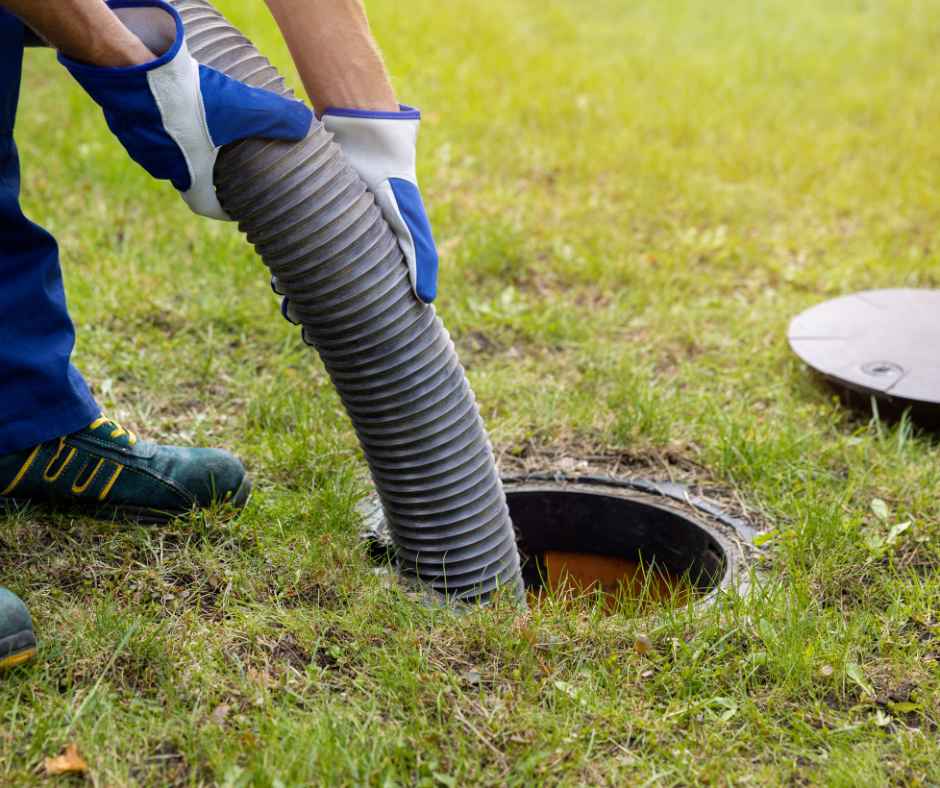
A slow drain may seem minor, but in Palatka homes with septic systems, it can be one of the earliest warning signs of a bigger problem. Recurring slow drains, gurgling fixtures, sewage odors, or wet areas in the yard can all point to a septic issue that can become much more expensive if ignored.
A slow-draining sink does not feel like an emergency. Neither does a shower that takes a little longer to empty or a toilet that bubbles once in a while. That is exactly why septic problems get missed in the early stages.
In many homes, the first sign of septic trouble is not a full backup. It is a pattern of recurring small drainage problems. By the time wastewater backs up into the house or soggy ground appears in the yard, the issue is usually bigger, messier, and more expensive than it was at the beginning.
In this guide, you will learn why slow drains matter so much in septic homes, what warning signs Palatka homeowners should watch for, and when a small drainage problem may actually point to a larger septic system issue.
Why Are Slow Drains a Bigger Warning Sign in Septic Homes?
In a home connected to a septic system, wastewater must move through the plumbing, into the tank, and then through the drain field as it should. When that process starts breaking down, the first symptoms often show up inside the house as slow drainage.
That is why slow drains should not be brushed off as a simple inconvenience. A septic system problem may still seem minor at first, but drainage symptoms are often an early sign that the system is no longer moving waste efficiently.
What Does a Slow Drain Usually Mean?
A single slow drain can sometimes be a local clog. But when the problem keeps returning or starts affecting more than one fixture, the issue may be deeper in the septic system.
Slow drains can point to problems such as:
- A blockage in the plumbing line
- A full or overloaded septic tank
- A developing drain field issue
- Wastewater struggling to move through the system
- A backup forming farther down the line
The important thing is that recurring slow drainage usually means the problem is not solving itself.
When Is It More Than Just One Clog?
A one-time clog and a septic warning sign do not always look the same.
The issue is more likely to be septic-related when:
- Multiple drains are slowing down
- Toilets gurgle or bubble
- Water backs up in a tub or shower when another fixture is used
- Drainage problems keep returning after clearing
- You notice sewage odors indoors or outdoors
- The slow drainage gets worse over time
When more than one fixture is involved, the problem is often bigger than a single sink or bathroom drain.
Why Should Palatka Homeowners Pay Close Attention?
In a place like Palatka, where many homes rely on septic systems, homeowners need to treat drainage problems differently than someone on a municipal sewer connection might. A slow drain may not just be a plumbing nuisance. It may be the first sign that the septic tank is overdue for service or that the system is struggling to keep up with current use.
That matters because septic issues usually get more expensive the longer they are left alone.
What Other Septic Red Flags Should Homeowners Watch For?
Slow drains are only one part of the picture. Other warning signs can show up inside the home or outside in the yard.
Common septic red flags include:
- Gurgling toilets
- Sewage odors near drains
- Wastewater backing up into sinks, tubs, or toilets
- Wet or soggy patches in the yard
- Grass that looks unusually green near the drain field
- Standing water near the septic area
- A strong sewage smell outside
- Drains that improve briefly, then slow down again
These are all signs that the septic system may need attention before the problem becomes a backup or drain-field issue.
Can a Full Septic Tank Cause Slow Drains?
Yes. One of the most common reasons for widespread slow drainage in a septic home is a tank that is too full.
When the tank is overdue for pumping, wastewater may not flow through the system as it should. That can slow drainage throughout the house and increase the chance of a backup.
A full tank does not always cause an immediate emergency. Sometimes it starts with slower fixtures, bubbling toilets, or occasional drainage issues that get more noticeable over time.
Can Drain Field Problems Start With Slow Drains Too?
They can.
If the drain field is not accepting wastewater properly, the entire septic system can begin to back up. That pressure often shows up first as sluggish plumbing inside the home.
This is one reason homeowners should not assume every slow drain can be solved with a basic clearing. If the issue is in the septic system itself, the real problem may be outside the house rather than in the fixture.
Why Is “Wait and See” So Risky?
Many homeowners wait because the drain still works, just slowly. That feels easier to live with than scheduling service right away.
The problem is that septic issues usually worsen, not improve.
Waiting can lead to:
- Full wastewater backups
- Sewage cleanup inside the home
- Yard damage around the septic area
- Larger repair bills
- More disruption to bathrooms, sinks, and laundry use
- Greater stress on the tank and drain field
What starts as a slow drain can eventually lead to a system failure that affects the entire property.
Do Store-Bought Drain Cleaners Fix the Problem?
Not usually.
If the issue is tied to the septic tank, drain field, or a larger blockage in the system, a bottle of drain cleaner will not solve the real problem. In some cases, repeated chemical use may even cause more trouble for the plumbing without addressing the underlying septic issue.
When slow drains keep returning, the smarter move is to find out why.
What Should Homeowners Do When Slow Drains Keep Coming Back?
If a drain issue is recurring, spreading, or happening along with odors or gurgling, it is time to take it seriously.
That usually means paying attention to:
- Whether more than one fixture is affected
- Whether the problem comes and goes
- Whether toilets are bubbling
- Whether there are signs outside near the septic area
- Whether the tank may be overdue for pumping
The sooner the real cause is identified, the easier it usually is to prevent a bigger septic problem.
How Can You Help Prevent Septic Problems?
Not every septic issue can be prevented, but homeowners can reduce the risk of a major problem by staying ahead of warning signs and properly maintaining the system.
Helpful prevention steps include:
- Address slow drains early
- Stay on schedule with septic pumping
- Avoid flushing wipes and other non-septic-safe items
- Watch for odors, bubbling, or repeated clogs
- Avoid overloading the system with excessive water use all at once
- Pay attention to wet areas in the yard
A septic system usually gives some warning before it fails. The key is taking those warnings seriously.
What This Usually Comes Down To
When a septic system starts having trouble, these are usually the signs that matter most:
- Recurring slow drains instead of one isolated clog
- Multiple fixtures showing symptoms at the same time
- Toilets that gurgle or bubble
- Sewage odors inside or outside the home
- Wet or unusually green areas near the septic system
- Drainage problems that keep coming back instead of staying fixed
Don’t Wait for a Slow Drain to Turn Into a Septic Backup
A slow drain may not seem urgent, but in a septic home, it is often one of the first signs of a larger problem developing. Catching the problem early can help prevent backups, protect your property, and avoid a much more expensive repair later.
Artic Air Home Services can help Palatka homeowners determine whether recurring slow drains indicate a plumbing issue, a full septic tank, or a larger septic system problem. If your drains keep slowing down or your home is showing other septic warning signs, now is the time to have it checked. Contact Artic Air Home Services today to schedule an inspection.
Penguin Certified, Customer Satisfied
Schedule service with Artic Air Home Services today. Experience reliable comfort and trusted home solutions year-round.