Proudly Serving Northeast Florida
Early Spring HVAC Prep Checklist for St. Johns County Homeowners
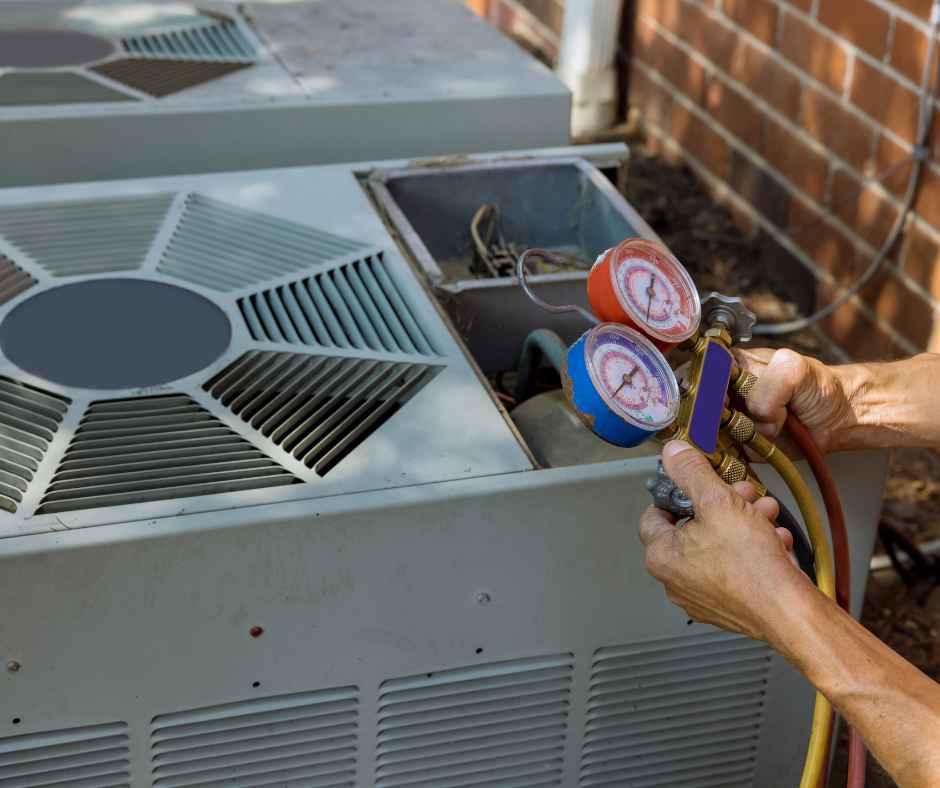
As the mild Florida winter transitions into the humid spring months, homeowners in St. Johns County must prepare their cooling systems for the upcoming heat. The unique coastal environment of Northeast Florida presents specific challenges for residential air conditioning units. Salt air, high humidity, and seasonal pollen can all impact the efficiency of your equipment.
In this blog, we will provide a comprehensive early-spring HVAC prep checklist tailored to the needs of our local community. From the historic streets of St. Augustine to the growing neighborhoods of Nocatee, maintaining a reliable system is essential for year-round comfort. Taking the time to evaluate your cooling setup now will prevent unexpected breakdowns during the peak of the summer.
Why March is the Critical Month for Florida AC Maintenance
March serves as the ideal window for AC maintenance in Northeast Florida because it precedes the first significant heat spikes of the year. During this transition period, demand on local power grids and service technicians remains relatively low, so you can schedule service at your convenience. More importantly, St. Johns County faces specific environmental challenges that necessitate early intervention. The proximity to the Atlantic Ocean introduces salt spray into the air, which can lead to rapid corrosion of sensitive aluminum fins and copper tubing. If these deposits are not cleaned away before the unit begins running around the clock, the damage can become permanent. Furthermore, early spring is the time to address humidity control strategies. Florida homes often struggle with indoor moisture levels that can lead to biological contaminants if the air conditioner is not calibrated correctly.
A well-maintained system does more than just cool the air: it manages the entire indoor climate to protect your property and your health. Key reasons why March is the optimal time for your annual service include:
- Prevention of salt air corrosion on external metal components and coils.
- Optimization of dehumidification cycles before the peak humidity of June arrives.
- Early detection of refrigerant leaks that could lead to complete system failure.
- Reduction of utility costs by ensuring the motor and compressor operate at peak efficiency.
- Verification that electrical connections remain tight and free of oxidation from the winter months.
- Validation of warranty requirements that often mandate annual professional service.
By addressing these factors now, you avoid the frustration of a breakdown during a July heatwave. Local homeowners who wait until May often find themselves on a long waiting list for repairs. Starting your maintenance cycle in March provides the peace of mind that your home will remain a cool sanctuary, no matter how high the mercury rises.
The Exterior Checklist: Optimizing Your Outdoor Condenser
The outdoor condenser unit is the heart of your cooling system, but it is also the most vulnerable to the harsh elements of St. Johns County. Because this component sits outside year-round, it accumulates a significant amount of debris, dust, and organic matter that can impede airflow. For homeowners in areas like Vilano Beach or Summer Haven, the salt air is a constant threat that requires specific attention during your spring HVAC maintenance routine. When the condenser coils are coated in grime or salt, the unit must work much harder to release heat from your home. This additional strain leads to higher utility bills and a shorter compressor lifespan.
A thorough exterior inspection should include the following specific tasks:
- Removing all leaves, twigs, and grass clippings from the top and sides of the unit.
- Trimming back bushes and palm fronds to ensure a minimum of twenty-four inches of clearance.
- Gently rinsing the condenser coils with a low-pressure garden hose to remove salt and dirt.
- Checking the base pad for levelness and stability to prevent vibration damage.
- Inspecting the electrical disconnect box for signs of insect nesting or loose wiring.
- Verifying that the refrigerant line insulation is intact and not brittle or missing.
- Looking for any bent or flattened aluminum fins that might restrict vital airflow.
Maintaining the exterior of your unit is a foundational part of AC maintenance that any homeowner can start on their own. However, if you notice significant corrosion or oily residue on the coils, it is a sign that a professional should intervene. Taking these steps in early spring protects the most expensive part of your HVAC system from the grueling demands of the Florida sun.
The Interior Checklist: Air Quality and Mechanical Efficiency
While the outdoor unit handles the heavy lifting of heat exchange, the interior components of your system are responsible for distributing cool air and maintaining your indoor air quality. St. Johns County homeowners often face high indoor humidity levels, which makes the condition of the evaporator coil and the drainage system particularly important during the spring transition. If the interior portion of your AC maintenance is neglected, you may notice musty odors or reduced airflow as humidity rises.
To ensure your home remains healthy and efficient, include these interior tasks in your spring routine:
- Inspecting and replacing the air filter with a high-quality pleated version every thirty to ninety days.
- Pouring a small amount of distilled white vinegar down the condensate drain line to prevent algae growth.
- Checking the emergency drain pan for any standing water or signs of previous leaks.
- Cleaning all supply registers and return air grilles to remove dust and allergens.
- Listening for unusual clicking or banging sounds when the blower motor starts or stops.
- Verifying that all interior doors and vents are open to maintain proper static pressure.
- Testing the smoke and carbon monoxide detectors near your HVAC equipment for battery life.
By focusing on these interior details, you can significantly improve the air you breathe and the efficiency of your cooling cycles.
Smart Technology and Efficiency Calibration for Local Homes
Modern homeowners in St. Johns County have access to advanced tools that go beyond basic AC maintenance. Integrating smart technology into your cooling strategy allows for real-time monitoring of your system’s performance and energy consumption. During the early spring, calibrating your smart thermostat is a vital step in preparing for the summer surge. These devices can learn your household’s patterns and automatically adjust temperatures, reducing the overall load on your compressor. In our humid climate, a thermostat with a built-in humidistat is especially valuable. It allows the system to run longer, slower cycles to pull moisture from the air without over-cooling the home. This level of precision is essential for preventing mold growth and ensuring that every room remains comfortable. Furthermore, many smart systems provide diagnostic alerts that can notify you of potential mechanical issues before they lead to a complete breakdown. By utilizing these digital tools, you can maintain a more consistent indoor environment while lowering your carbon footprint.
Calibrating your smart home devices ensures your HVAC system isn’t fighting the Florida heat unnecessarily. Consider these specific technology-focused steps for your spring routine:
- Updating your cooling schedule to reflect the longer daylight hours and rising evening temperatures.
- Enabling dehumidification modes to manage the rising moisture levels common in St. Johns County.
- Checking the calibration of remote temperature sensors to ensure accurate readings in every room.
- Setting up automated filter replacement reminders within your smart home application or mobile device.
- Reviewing historical energy usage data from the previous year to detect any sudden drops in system efficiency.
- Utilizing geofencing technology to adjust temperatures automatically when the home is unoccupied.
- Connecting your system to local weather alerts to allow for proactive cooling during extreme heat events.
The Value of Professional Precision Tune-Ups and Inspections
While many homeowners can handle basic filter changes and debris removal, a professional inspection is the cornerstone of effective HVAC maintenance. A certified technician possesses the diagnostic tools and experience to identify internal issues that are invisible to the naked eye. In St. Johns County, where humidity and salt air accelerate mechanical wear, these professional tune-ups can extend your unit’s life by several years. During a standard service call, a technician will check the refrigerant levels to ensure they are within the manufacturer’s specified range. If the levels are low, it often indicates a tiny leak that, if left unaddressed, will eventually lead to a costly compressor failure. Furthermore, testing the electrical components and tightening terminal connections prevents the common “no-cool” calls that plague homeowners during the first heatwave of the year.
The value of a professional service goes beyond simple repairs: it is about optimizing every individual component to work as a cohesive system. Technicians can measure the airflow across the evaporator coil and adjust the blower motor speed to maximize dehumidification. This level of precision is what separates a standard cooling system from a high-efficiency home comfort solution. Investing in professional AC maintenance each spring is a proactive strategy that pays for itself through lower utility bills and the avoidance of emergency service fees.
A professional HVAC tune-up typically includes these critical diagnostic steps:
- Measuring the “temperature split” between return and supply air to verify cooling capacity.
- Inspecting the contactor for signs of pitting or burning that could lead to system failure.
- Testing the capacitors to ensure they are providing the correct starting torque to the motors.
- Checking the integrity of the heat exchanger or heating elements for safety and efficiency.
- Cleaning the condensate pump and testing the float switch to prevent indoor flooding.
- Lubricating all moving parts to reduce friction and minimize mechanical noise.
- Providing a comprehensive written report on the current health of the entire system.
Prepare Your Home for the Florida Summer Heat
Taking the time to complete an early spring HVAC prep checklist is the best way to ensure your St. Johns County home remains comfortable and efficient. By addressing both the exterior and interior components of your system now, you can avoid the stress of a mid-summer breakdown. Whether you are performing basic cleaning or scheduling a professional inspection, every step you take adds value and extends the life of your equipment.
Artic Air Home Services is here to help you navigate the unique challenges of our coastal climate with expert care and local knowledge. To schedule your seasonal precision tune-up and ensure your family stays cool year-round, contact us today.
FAQ: Spring HVAC Maintenance for St. Johns County
How does the salt air in St. Johns County specifically affect my air conditioner?
The salt air acts as a corrosive agent, eating away at the thin aluminum fins on your outdoor condenser coils. Over time, this corrosion causes “coil pitting,” leading to refrigerant leaks and reduced heat transfer efficiency.
Is it necessary to clean my AC coils if I do not live directly on the beach?
Yes, because salt spray and high humidity travel several miles inland throughout Northeast Florida. Even homes in mainland St. Augustine or Nocatee experience salt-related oxidation that requires regular rinsing to maintain optimal performance.
What is the ideal humidity level I should set on my thermostat during a Florida spring?
For maximum comfort and mold prevention, aim to keep indoor relative humidity between 45% and 55%. Most modern smart thermostats allow you to set a specific humidity target to help the system manage moisture effectively.
Can I use a pressure washer to clean my outdoor HVAC unit?
You should never use a pressure washer on your condenser. The high-pressure stream can easily bend the delicate aluminum fins and damage the internal electrical components. A standard garden hose with a gentle spray is the only tool you should use.
How often should I change my air filters if I have pets in a humid climate?
In Florida, high humidity can cause pet dander and dust to clump together more quickly. If you have pets, it is recommended to check your filters every 30 days and replace them as soon as you see visible graying or dust accumulation.
Penguin Certified, Customer Satisfied
Schedule service with Artic Air Home Services today. Experience reliable comfort and trusted home solutions year-round.