Proudly Serving Northeast Florida

Signs of Hidden Leaks That Often Appear During Winter in Northeast Florida
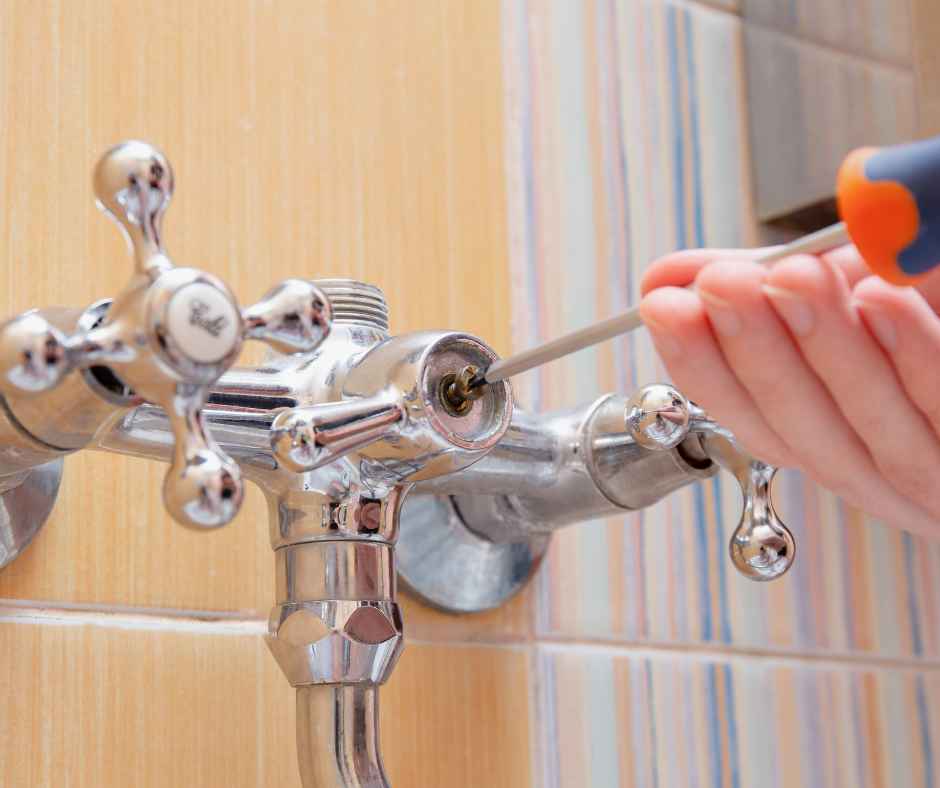
While the winter months in Northeast Florida are generally mild, subtle temperature shifts can place unexpected stress on residential plumbing systems. Unlike the extreme freezes seen in the north, our local climate experiences rapid fluctuations that cause pipes to expand and contract, often leading to structural weaknesses. Arctic Air Home Services understands that Florida homes are built to withstand humidity and heat, yet they often lack the insulation necessary to protect pipes from the “snap” freezes common in areas like Palatka or St. Augustine.
In this blog, we will discuss how to identify the subtle warning signs of hidden leaks and why professional leak detection Northeast Florida residents trust is essential during the cooler season. By staying vigilant and knowing what to look for, you can prevent minor drips from escalating into costly water damage or mold growth.
The Science Behind Winter Leaks in a Subtropical Climate
To understand why hidden leaks become more prevalent during a Northeast Florida winter, we must look at the physics of thermal expansion and contraction. In our region, it is not uncommon to see a thirty-degree temperature drop within a single twelve-hour period. Most plumbing materials, including copper, CPVC, and PEX, are designed to withstand pressure but are sensitive to rapid thermal changes. As the water temperature entering your home from the ground drops, the pipes physically contract.
This contraction puts immense pressure on joints, valves, and older solder points. If a connection was already weakened by age or mineral corrosion, the temperature shift acts as the final catalyst for failure. Furthermore, because Florida homes are often built on concrete slabs with pipes buried underneath or routed through uninsulated attic spaces, these systems are directly exposed to the ambient temperature of the environment.
The following factors contribute to the increased risk of leaks during our local winter months:
- Material Fatigue: Repeated cycles of heating and cooling over several years cause materials to become brittle, making them prone to hairline fractures.
- Pressure Fluctuations: Cold water is denser than warm water, and changes in viscosity can cause subtle shifts in internal pipe pressure that stress aged seals.
- Inadequate Insulation: Unlike homes in the Midwest, many Northeast Florida properties have pipes in “buffer zones” such as crawl spaces or exterior walls that lack thick thermal barriers.
- Soil Shifting: Seasonal changes in groundwater levels and soil moisture content in our sandy coastal terrain can cause slight shifts in a home’s foundation, potentially straining slab-level plumbing.
- Water Heater Stress: During winter, your water heater works harder to bring cold intake water up to temperature. This increased thermal load can cause the tank or the connecting supply lines to develop “weeping” leaks at the fittings.
Even if the thermometer does not stay below freezing for long, the “yo-yo” effect of Florida weather is enough to compromise a vulnerable system. Because these leaks often originate in areas hidden from view, such as behind drywall or beneath the floor, they can go undetected for weeks, causing silent structural damage.
Telltale Signs of Hidden Leaks Every Florida Homeowner Should Watch For
Identifying signs of hidden leaks in a subtropical climate requires a keen eye for subtle environmental changes. Because we do not often deal with the catastrophic flooding associated with burst frozen pipes, local leaks tend to be slower and more insidious. In Northeast Florida, these issues often present as “seasonal humidity” or “old house smells,” but they are often the result of a compromised pipe within the home’s structure.
Early detection is the most effective way to minimize restoration costs. If you wait until you see a literal pool of water, the structural integrity of your flooring or cabinetry may already be compromised. Homeowners should perform a monthly “walk-through” of their property during the winter to look for deviations from the norm.
The following indicators are classic symptoms of a leak that is currently shielded from view:
- Unexplained Spikes in Utility Bills: If your water consumption has increased despite your household habits remaining the same, a leak is likely the cause. Even a pinhole leak can waste hundreds of gallons of water over a single billing cycle.
- Musty or Earthy Odors: In the winter, we often keep our windows closed. This lack of ventilation makes it easier to spot the scent of mold or mildew. If a specific room or closet smells damp despite the heater being on, water is likely escaping somewhere nearby.
- Warm Spots on the Floor: In homes built on a concrete slab, a leak in the hot water line beneath the floor often creates a localized “warm patch” on the tile or laminate. If your pets are suddenly congregating in one area of the floor, it could indicate a slab leak.
- Discolored or Peeling Surfaces: Monitor your baseboards and cabinet bottoms closely. Water travels the path of least resistance, and hidden leaks often cause paint to bubble, wallpaper to peel, or wood trim to warp and darken.
- The Sound of Running Water: When the house is quiet at night, listen for the sound of dripping or rushing water. If all faucets are off and the toilet is not running, yet you hear a faint “hissing” sound, there is likely an active breach in your plumbing.
- Changes in Water Pressure: A sudden drop in pressure at a single fixture can indicate a blockage, but a house-wide drop in pressure often suggests that water is being diverted through a leak before it reaches your faucets.
Because many of these symptoms are subtle, they are often dismissed as quirks of an older home. However, the unique atmospheric conditions of a Florida winter make any added moisture a recipe for rapid mold growth. Recognizing these signs of hidden leaks early allows you to call for professional intervention before the damage spreads to your home’s foundation or attic insulation.
Common Areas Where Northeast Florida Leaks Go Unnoticed
In our coastal environment, a home’s architectural style often dictates where water intrusion will occur. From the historic bungalows of St. Augustine to the modern slab-on-grade developments in Jacksonville, certain “blind spots” are more prone to moisture accumulation during the winter. Utilizing professional leak detection is often the only way to inspect these areas, as many are physically inaccessible to the average homeowner.
When the air is drier during the cooler months, any localized moisture becomes a magnet for structural issues. Identifying these high-risk zones can help you prioritize maintenance checks and catch issues before they lead to costly insurance claims.
The following locations are the most common places where leaks go unnoticed in local properties:
- Underneath the Concrete Slab: Many Florida homes use slab-on-grade foundations where plumbing is buried in the dirt before the concrete is poured. A shifting foundation or a corroded copper pipe under the slab can leak for months without showing surface water, slowly washing away the soil and creating voids under your home.
- Inside Uninsulated Attic Spaces: During a cold snap, attic pipes are exposed to the lowest temperatures. Small drips from attic pipes often get absorbed by thick fiberglass insulation, hiding the leak until the ceiling drywall becomes saturated enough to collapse.
- Behind Shower Enclosures: Sealants and grout in your bathroom can shrink in dry winter air. This allows water to seep behind the tiles every time someone showers, rotting the wall studs and floor joists without any visible pooling on the floor.
- The Water Heater Pressure Relief Valve: Because water heaters work harder in the winter, the temperature and pressure relief (T&P) valve may begin to “weep.” If the discharge pipe is routed to the exterior or a floor drain, you might never realize you are losing gallons of heated water every day.
- Irrigation System Main Lines: Homeowners often turn off their sprinklers in the winter, but the main supply line to the irrigation manifold remains pressurized. A leak here can saturate your lawn or damage your driveway’s subbase without ever showing up inside the house.
- Wall Cavities Adjacent to Exterior Spigots: If a hose is left attached overnight in cold weather, the pressure can cause the pipe inside the wall to crack. Every time you use that faucet in the future, water sprays inside your wall instead of just out of the nozzle.
These “out of sight” leaks are particularly dangerous because they bypass our daily observation. By the time a homeowner notices a soft spot in the drywall or a dip in the floor, the water has likely been flowing for weeks. Understanding your home’s layout and the common failure points in local construction is the best defense against long-term water damage.
The Financial and Structural Impact of Undetected Winter Moisture
The cost of a hidden leak is rarely confined to a higher water bill. In the fragile ecosystem of a Florida home, moisture is a destructive force that begins to degrade structural components the moment it makes contact. Because our winters are humid and the air remains relatively warm compared to the north, hidden leaks create an ideal environment for organic growth. If a leak goes unaddressed, the cost of remediation can quickly exceed the cost of a simple plumbing repair.
Artic Air Home Services has seen firsthand how a small drip can become a significant liability. Water is a solvent, and as it sits against wood, drywall, and metal, it triggers a chain reaction of decay that can compromise the safety and value of your property.
The long-term consequences of failing to invest in timely leak detection include:
- Structural Rot: Wood studs and floor joists absorb water like sponges. Over time, this moisture softens the wood and reduces its load-bearing capacity, leading to sagging floors and compromised walls.
- Rapid Mold Proliferation: In Northeast Florida, mold can begin to grow within 24 to 48 hours of water exposure. Hidden leaks behind walls allow mold to spread through your HVAC system, affecting the indoor air quality of your entire home.
- Electrical Hazards: Water and electricity are a dangerous combination. Leaks that travel along pipes or through ceiling joists can eventually reach electrical outlets, junction boxes, or recessed lighting, creating a significant fire risk or the potential for short circuits.
- Decreased Property Value: Undetected water damage is a major red flag during home inspections. If you decide to sell your home, evidence of past leaks or improper repairs can result in thousands of dollars in price concessions or even a cancelled sale.
- Foundation Erosion: For homes with slab leaks, the constant flow of water can wash away the supporting soil. This creates air pockets under the concrete, which can lead to foundation cracking and catastrophic structural shifts.
Water damage is progressive. The longer you wait to address the signs of hidden leaks, the more invasive the eventual repair will be. Professional intervention not only stops water loss but also provides a roadmap for drying out your home and preventing the recurrence of moisture-related issues.
Protecting Your Northeast Florida Home This Season
Maintaining a leak-free home during the winter requires a combination of personal vigilance and professional expertise. While the temperature drops may be brief, the stress they place on your plumbing is real and measurable. By staying alert to changes in your utility bills, unusual odors, and the physical condition of your walls and floors, you can catch problems while they are still manageable.
Artic Air Home Services is committed to providing the precise leak detection Northeast Florida families need to keep their homes dry and efficient year-round. To ensure your plumbing is ready for the seasonal shifts, contact us today.
Expert Leak Detection FAQ
Can I use my water meter to check for hidden leaks?
Yes, your water meter is a valuable diagnostic tool. Ensure all faucets and appliances are turned off, then check the leak indicator on your meter. If the dial moves when no water is being used in the house, you have a confirmed leak somewhere in your system.
Why does my water smell like sulfur or “rotten eggs” in the winter?
While this can sometimes be a municipal water issue, a sulfur smell can also indicate a leak in your water heater’s anode rod or a buildup of bacteria in a stagnant, leaking pipe. If the smell is localized to one drain, it may be due to a dry P-trap, allowing sewer gases to enter.
Do “leak detection” chemicals or sprays actually work?
We do not recommend using chemical sealants for hidden leaks. These products are often temporary fixes that can corrode your pipes from the inside out or cause blockages. Professional mechanical repair is the only way to ensure a leak is permanently resolved.
Will my homeowners’ insurance cover a hidden leak?
Most policies cover “sudden and accidental” water damage, but they may deny claims related to “long-term seepage” or neglect. This is why documenting your efforts to catch leaks early is vital for a successful insurance claim.
Are smart leak detectors worth the investment for Florida homes?
Smart leak detectors can be highly effective, especially for monitoring high-risk areas like the laundry room or the water heater closet. These devices send an alert to your phone the moment they detect moisture, allowing you to shut off your water main before major damage occurs.
Penguin Certified, Customer Satisfied
Schedule service with Artic Air Home Services today. Experience reliable comfort and trusted home solutions year-round.